
Why is the “legal layer” a MUST-HAVE when looking for investors?
A great idea, a strong team, and technology with real potential. These are usually the first things a founder thinks about when preparing for conversations with investors. Legal matters often appear much further down the list. And that is exactly where the problems can begin… In the first episode of the Blockchain Startup School series, […]
Can individual investors access companies such as OpenAI, SpaceX, or Anthropic without having millions in their account?

This is one of the questions that arises following the entry of the French app Akka into Poland. The topic was covered today by XYZ, and the article includes expert commentary from Wojciech Ługowski. And it is precisely the regulatory perspective that is key here. Behind terms such as investment app, pre-IPO, private markets, SPV, […]
Which crypto players may exit the market once MiCA comes into force?

The cryptoasset market is entering a stage in which technology alone is no longer the key differentiator. Regulatory compliance, risk management models, and the ability to operate within the framework of European MiCA requirements are becoming increasingly important. In the Prawo.pl article on MiCA licensing, the transitional period, and the consequences for cryptoasset service providers, […]
Lawarton’s contribution to the Chambers Fintech 2026 Global Practice Guide

The latest edition of the Chambers Fintech 2026 Global Practice Guide is now available! Lawarton contributed to the Poland chapter, covering the evolving regulatory landscape for fintech, including key developments in blockchain, cryptoassets, and financial innovation. The chapter combines an analysis of the current legal framework with practical insights for businesses operating at the intersection […]
When Does a Token Become a Financial Instrument? Practical Criteria Under MiFID II and MiCA
Tokenisation is becoming an increasingly popular phenomenon that attracts innovators. Today’s market encompasses various categories of tokens – from utility tokens, through payment tokens and stablecoins (including EMTs and ARTs within the meaning of MiCA), to investment tokens. The latter may incorporate proprietary or corporate rights and, as a result, be subject to a significantly […]
When Does a Token Qualify as “Electronic Money”? The Boundary Between Stablecoins and E-Money Under EU Law
The growing popularity of stablecoins is making their legal classification increasingly important. A key issue is determining whether a token offered as a “means of payment in Web3” should in fact be classified as electronic money within the meaning of the EMD2 Directive. Why does this matter? As emphasised by Wojciech Ługowski, attorney-at-law and managing […]
Incorporation and Operation of Blockchain Companies in Offshore Jurisdictions – a Regulatory Overview of Selected Jurisdictions: British Virgin Islands, Cayman Islands, Estonia
The development and growing adoption of blockchain technology mean that Web3 projects are increasingly moving rapidly from the conceptual stage to actual business operations. At this point, one of the key decisions becomes the choice of the legal environment in which the project will be developed and, at a later stage, commercialised. When selecting a […]
Between EU regulations and national practice. What about MiCA in Poland?
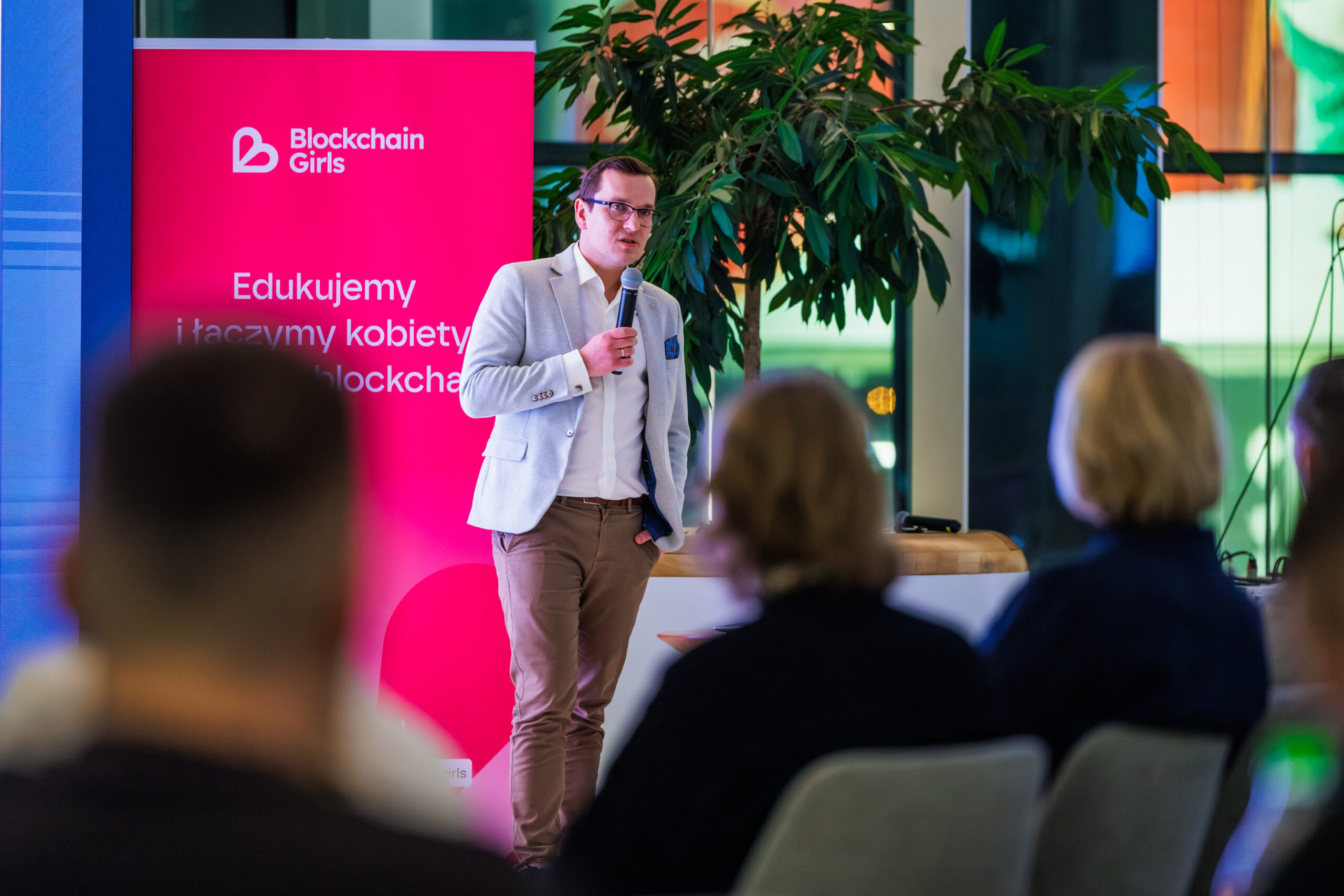
MiCA is increasingly moving from the level of regulatory assumptions into everyday market practice, raising very concrete questions for entrepreneurs. During the event “Between EU regulations and national practice: What about MiCA in Poland?”, organized by Blockchain Girls & Superteam Poland, Wojciech Ługowski had the opportunity to open a discussion on how the new regulations are actually affecting business […]
DORA and blockchain – are DLT network operators subject to the EU regulation on digital operational resilience?
With the start of the application of EU Regulation (EU) 2022/2554, the Digital Operational Resilience Act (DORA), which began to apply on 17 January 2025, entities operating in the financial sector in Europe have faced a new challenge related to security and digital operational resilience. DORA introduces comprehensive requirements concerning ICT risk management, digital resilience […]
Wojciech Ługowski as a panellist at Bitget Crypto Elites Poland
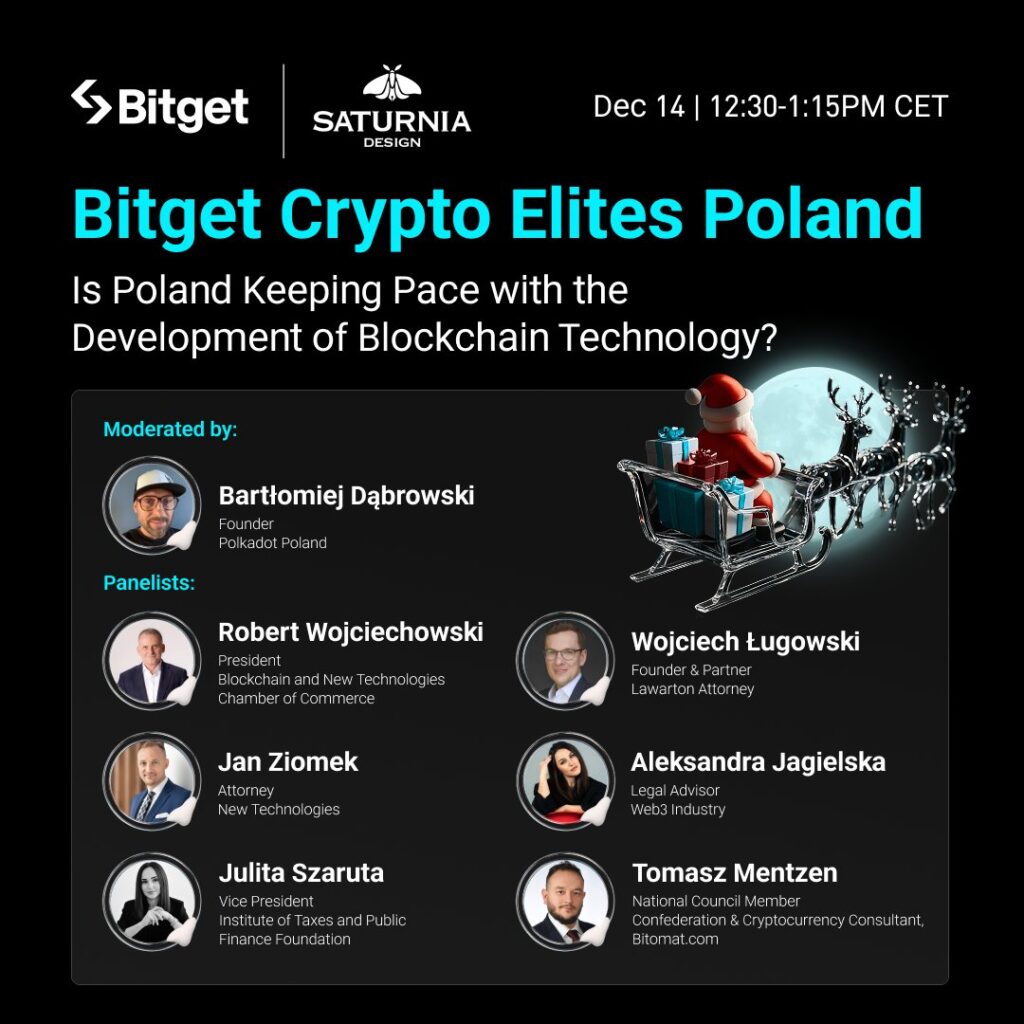
On 14 December 2025, Warsaw hosted the Bitget Crypto Elites Poland event, which focused on key challenges and development directions for blockchain technology in Poland. Wojciech Ługowski took part in the panel discussion entitled ‘Is Poland keeping pace with the development of blockchain technology?’ The discussion focused on the implementation of MiCA regulations in Poland and […]